
Posture-Related Pain Treatment in South Bristol
Conditions
Posture-related pain treatment in South Bristol
Poor posture can contribute to neck pain, upper back pain, lower back pain, shoulder discomfort, muscular tension and stiffness for many people. Whether you spend long hours at a desk, drive for work, regularly use a laptop or mobile phone, or simply feel that your posture has changed over time, persistent postural strain can affect how comfortably you move.
At our South Bristol clinic, our chiropractors and osteopaths provide comprehensive posture assessments to understand how your posture, movement and daily activities may be contributing to your symptoms. We create personalised treatment plans that may include manual therapy, joint mobilisation, soft tissue techniques, rehabilitation exercises and practical ergonomic advice to help reduce musculoskeletal pain where appropriate, improve movement and support healthier posture.

What is posture-related pain?
Posture-related pain describes discomfort that may be associated with the way the body is positioned during everyday activities. Spending prolonged periods sitting, standing or looking down at a screen can place increased strain on muscles, joints and ligaments. Some people notice symptoms such as neck pain, upper back pain, shoulder tension, headaches or lower back pain, particularly after desk work or extended driving.
Common signs of postural strain
You may benefit from a posture assessment if you experience:
- Neck pain after computer work
- Upper back pain or stiffness
- Shoulder tension or rounded shoulders
- Headaches associated with neck muscle tension
- Lower back discomfort when sitting
- Reduced flexibility or movement
- Fatigue from prolonged standing or sitting
These symptoms can have many causes, so an individual assessment is important to determine whether posture is likely to be contributing.
Can ‘poor posture’ contribute to neck and back pain?
The idea of having ‘poor posture’ is increasingly being challenged, as there is no single perfect posture that everyone needs to maintain. Rather than focusing on achieving or maintaining an ideal position, it is often more helpful to consider how long you spend in one position and how frequently you move throughout the day. Prolonged desk work, frequent laptop or smartphone use, driving and other activities that involve staying relatively still for extended periods may contribute to neck and back pain, muscle tension, stiffness and discomfort. Individual anatomy, previous injuries and activity levels can also influence how you feel. Taking regular movement breaks, adjusting monitor height, supporting the lower back, varying your sitting position and performing simple stretching and strengthening exercises may all help maintain comfort during prolonged periods of sitting.
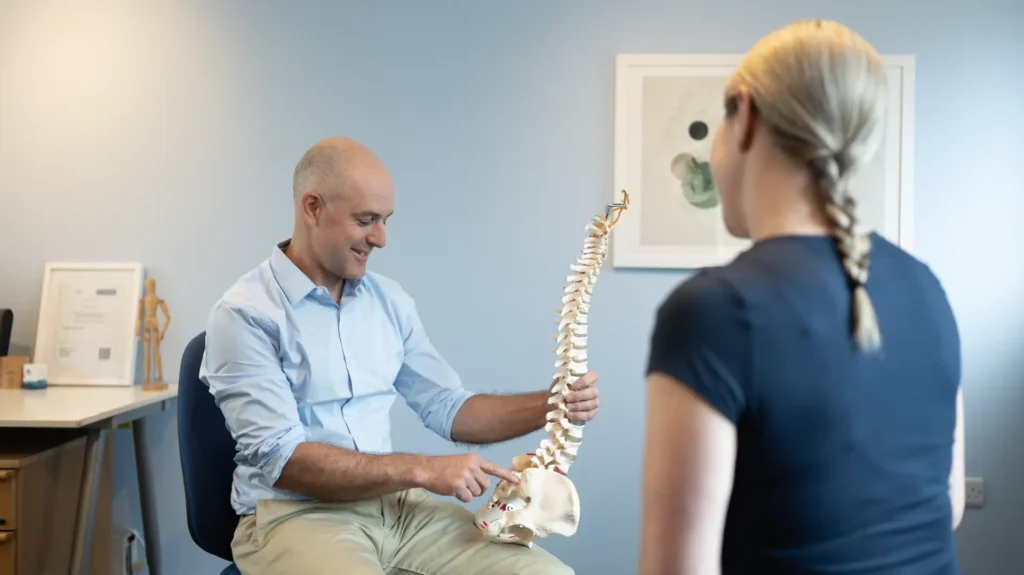
Assessments for posture pain & work-related pain
Harry Kauntze, chiropractor at the Bristol Back Pain Clinic explains: “The human spine forms a double S shaped curve which is perfectly designed for active living. However increasingly our postures are changing as we adapt to our modern technology driven world and often more sedentary lifestyles. These changes in our body posture, caused by long periods of inactivity i.e. when using computers, tablets or phones for prolonged periods daily, or sitting in a car or at a desk for a long time without breaks, can increase the stresses on different parts of our spines. This strain can accumulate over days, months and years, leading to pain. At the Bristol Back Pain Clinic, we provide detailed posture and movement assessments to identify factors that may be contributing to neck pain, back pain, shoulder pain and other musculoskeletal symptoms before recommending a personalised treatment and management plan.”
Treatment for posture pain & work-related pain
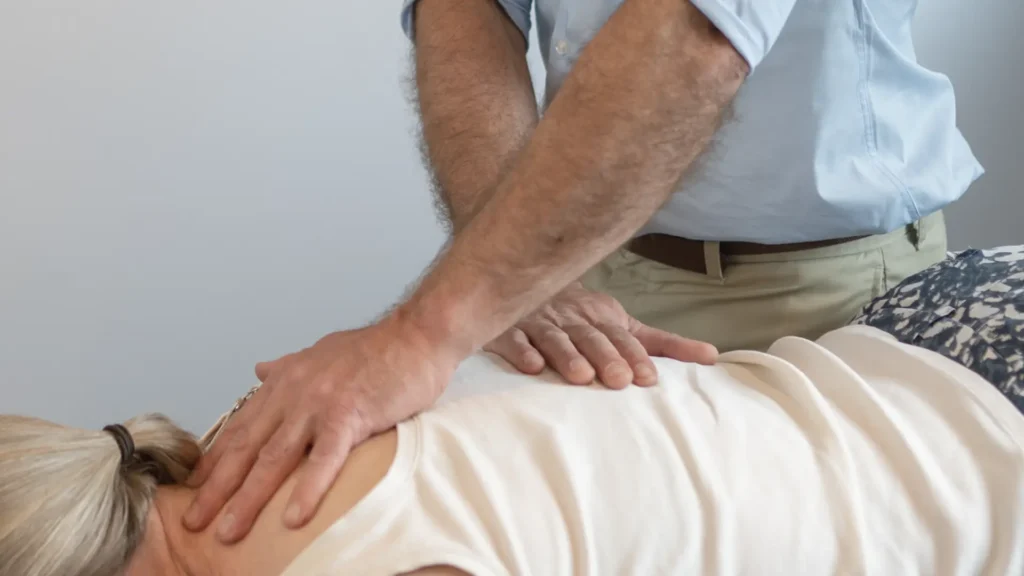
The aim of chiropractic or osteopathic treatment is to help reduce musculoskeletal pain where appropriate, improve movement and function, and support healthier posture alongside self-management strategies. Following a detailed consultation and examination, your treatment package may include manual therapy, spinal or joint mobilisation, soft tissue techniques, massage, stretching, strengthening exercises and advice on ergonomics. Postural advice may also include workstation set-up, lifting techniques and simple posture exercises to incorporate into your daily routine. So, if you are experiencing postural strain, book an appointment at our South Bristol clinic for evidence-based treatment that focuses on long-term results, not just short-term relief.
TESTIMONIALS
What patients say about their posture pain treatment
“Excellent service. Proven results. I have suffered with postural back pain issues for years. The BBPC was recommended to me by a friend and I’m glad I visited. After discussing my problems, a treatment plan was agreed and I had immediate relief after the first visit. After only a short number of weeks, I am now almost completely pain free. The environment is calm and relaxing and I felt at ease from the start. And with both early starts and late finishes, it’s incredibly convenient to fit in appointments around my long hours at work. I cannot recommend the Bristol Back Pain Clinic highly enough. I’d give them 6 stars if I could.
“I can’t speak highly enough of the service I have received from Harry. I work for the NHS and have previously sought help for lower back pain through occupational health. I have accessed the physiotherapy services, but the exercises I was given only gave me temporary relief. With a baby on the way, I decided to see whether a chiropractor could improve my symptoms, and I am pleased to say that even throwing a baby / toddler into the mix, my lower back has never felt stronger and I am blissfully free of symptoms.”
“When I first went to the clinic, I could barely walk from a disc problem. Harry was very sympathetic and clearly explained what was going on with my back. The treatment has been wonderful and my back and general posture have improved greatly. Harry is very understanding and friendly and I would recommend this clinic for treatment as well as a developing a greater understanding and awareness of your own posture.”
“Really professional team and gave me some great advice as well as helping sort an ongoing lower back issue that I have as I do a lot of driving for work. Would recommend them to anyone.”